
Audience: Established CPG Companies
From Cartons to Cost Savings: Food Co-Packing Procurement
In this episode of the Econo-Pak Podcast, Director of Procurement Tim joins Sarah to talk through how procurement supports scalable, efficient co-packing solutions.
How Flexible Equipment Powers Scalable Co-Packing with Jared Ellsworth
In this conversation, Jared Ellsworth, Maintenance Manager at Econo-Pak, shares how our facility stays ahead by using versatile machinery, smart automation, and efficient changeovers to support high-volume food brands.
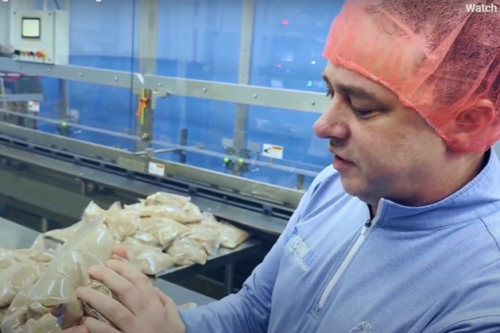
How Econo-Pak’s New Bag-in-Box Automation Boosts Co-Packing Efficiency
Econo-Pak recently invested in new bagging and cartoning machines—designed to streamline the packaging process for dry food products like rice, baking mixes, powders, and more in a bag-in-box format.
The Smart Way to Manage Airline Co-Packing, Imports, and Tariff Challenges
Supply chains have become increasingly complex. Food brands must stay ahead of shifting regulations, evolving import strategies, and airline-specific requirements. With Econo-Pak, they can.
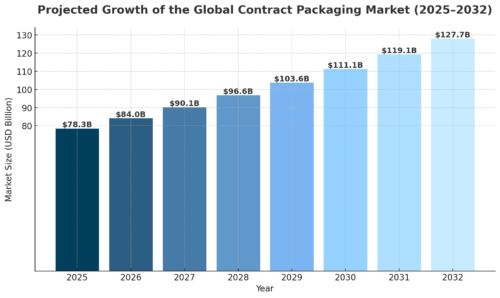
The Unstoppable Growth of Contract Food Packaging and Private Labeling
Consider this: the global contract packaging market is projected to reach $102 billion by 2028, growing at a 7% CAGR, as more companies lean on experts to streamline operations and reduce costs.
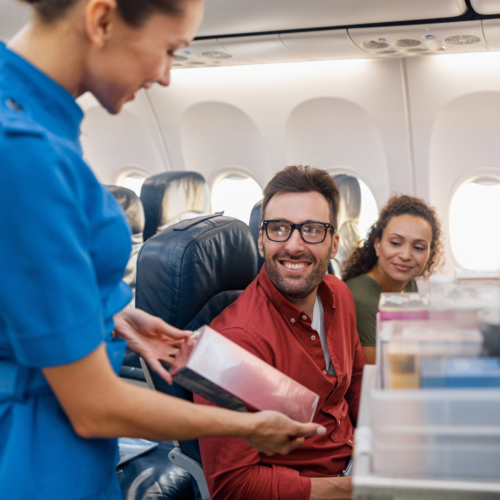
Meeting Airline Audit Standards for In-Flight Snack Co-Packing
For food brands selected to supply airline snack programs, partnering with a co-packer that meets airline standards is critical. That’s why Econo-Pak is regularly audited and approved by all major U.S. airlines.
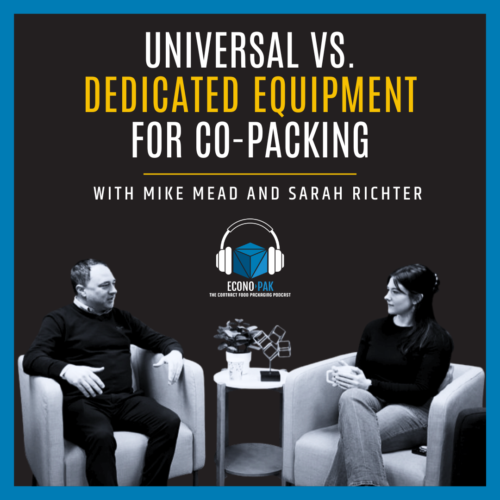
Universal vs. Dedicated Equipment in Co-Packing: How Econo-Pak Helps Food Brands Scale
Choosing the right packaging equipment can make or break a food brand’s success. At Econo-Pak, we offer both universal and dedicated equipment, giving brands the flexibility to test different formats before scaling up.
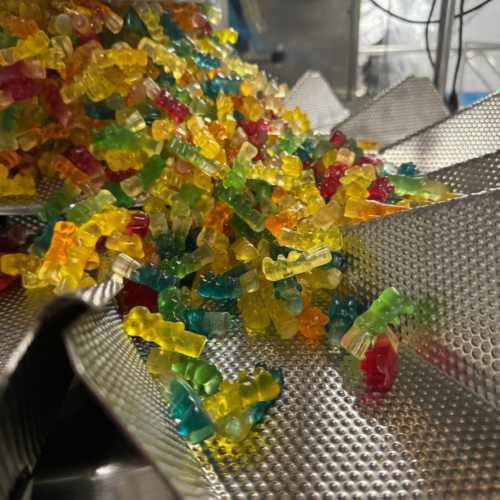
Co-Packing for Organic and Non-GMO Food Products
Co-packing plays a pivotal role in the food industry, especially for brands focused on organic and non-GMO products. According to the Organic Trade Association, sales of organic food in the U.S. grew by 12.4% in 2020, reaching a record $62 billion, while demand for non-GMO products continues to rise as consumers prioritize transparency and health (Organic Trade Association, 2021).
SOP3 with Co-Packing Project Manager Johnny Montana
In this episode of the Econo-Pak Contract Food Packaging Podcast, Sarah Richter sits down with Project Manager Johnny Montana and GM Mike Mead to discuss the importance of SOP3.
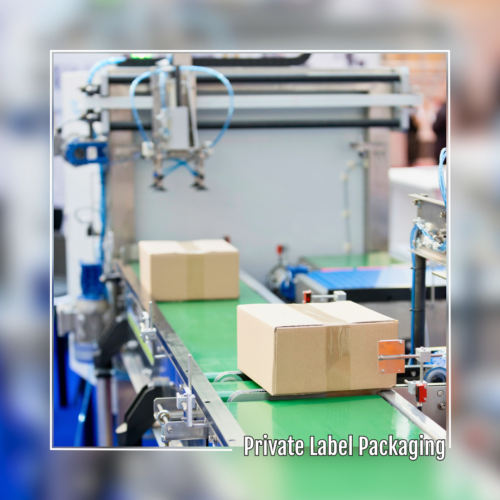
Private Label Food Packaging: Leverage Co-Packing to Scale Your Brand Faster
Private label food packaging allows companies to differentiate their products on store shelves without the overhead of in-house production.