
6 Tips for Contract Food Seasoning Packaging
Comments Off on 6 Tips for Contract Food Seasoning PackagingEveryone enjoys the occasional snack. When they come perfectly seasoned, they’re even better! We’ll dive into the do’s and don’ts of contract food seasoning and packaging for snack manufacturers, offering key guidelines to enhance flavors while catering to customer preferences.
6 Contract Food Seasoning Packaging Tips
1. Understand Customer Preferences
Understanding customer preferences is essential to creating flavors that your customers will enjoy. To do this, you can conduct market research to identify popular flavors, as well as seek customer feedback and requests for emerging flavors. This will help you stay ahead of evolving flavor trends while satisfying your customers.
2. Use High-Quality Seasonings
Seasoning quality is essential—source high-quality ingredients to deliver exceptional taste. Offering a selection of quality seasonings allows customers to find their ideal snack flavor. To ensure optimal quality and consistency, it’s important to invest in reputable suppliers and uphold strict quality control standards.
3. Experiment With Flavor Combinations
Experimenting with creative and unique flavor combinations can create bold and exciting flavors. Conduct taste tests and gather feedback from loyal customers or focus groups to provide an excellent way to refine your seasoning recipes and test new combinations. Consider the use of variety packs to allow customers to try multiple flavor combinations with a single purchase.
4. Maintain Consistency
Product consistency is critical in building and maintaining customer loyalty. It’s important to develop standardized procedures and recipes to ensure consistent flavor profiles for every batch. Additionally, implementing quality control procedures at each process step makes sure your products meet all taste and quality standards. By partnering with an expert contract food packaging provider, you can ensure each snack is packaged and seasoned to perfection, guaranteeing an enhanced customer experience.
5. Provide Customization Options
Every customer has a unique flavor preference; therefore, offering custom options is a great way to cater to individual tastes. By providing different seasoning levels and variations, or offering options for customers with dietary restrictions, you ensure a personalized experience and inclusivity in your product range.
6. Use the Correct Packaging Method
Partner with a food packaging expert that can help you determine which packaging option is right for your needs, whether that be pouch filling, carton services, or auger filling.
Bonus: Avoid These 5 Things in Contract Food Seasoning Packaging
1. Avoid Overpowering Flavors
Customers want seasonings to enhance their snack’s taste, not overpower its natural flavor. Rather than choosing a seasoning that will overshadow the flavor of your product, strive for a balanced flavor profile that complements your snack’s essence.
2. Don’t Compromise on Quality Control
High-quality food packaging is crucial for your seasoned snacks and other food products. Make sure to implement stringent quality control measures throughout the entire seasoning and packaging process. It’s also important to regularly evaluate your seasoning procedures and make necessary adjustments to ensure they’re meeting or exceeding quality standards.
3. Don’t Neglect Labeling and Transparency
Labeling accuracy and transparency is vital to gaining customer loyalty. Include accurate ingredient, allergen, and dietary restriction labeling to allow customers to make informed decisions.
4. Avoid Excessive Use of Additives
Health-conscious consumers are focused on finding more natural food items that are free of additives. Rather than using various preservatives and artificial additives in your seasoning recipes, opt for natural and recognizable ingredients that appeal to customers looking for wholesome snack options.
5. Don’t Disregard Packaging and Presentation
Your food product’s packaging is the first thing to grab a consumer’s attention. Invest in eye-catching packaging that showcases your product’s quality and differentiation factor. This will allow you to create more enticing packaging that will attract more customers.
Contract Food Seasoning Packaging From Econo-Pak
Snack manufacturers can ensure a high-quality, satisfying product for their customers by following these guidelines. With over 40 years of experience in the contract packaging industry, Econo-Pak has the necessary equipment and capabilities to effectively season and package your snack products based on your requirements. For more information about our contract food seasoning and packaging services, request a quote from our team today.
Let's start scaling.
Is your demand outpacing your ability to package your own product? Then consider outsourcing with Econo-Pak.
With over 40 years of experience working with both small brands and Fortune 500 companies, we are capable of handling your specific dry food product.
Get in touch with our team for a fixed-price quote for your project.
What Is A Retort Machine?
Comments Off on What Is A Retort Machine?High-tech equipment plays an integral role in the contract food packaging industry. From pick-and-place robots to servo-powered production lines, machinery helps get food products into the hands of consumers quickly. They can also help prevent product breakage and keep them safe.
One of the many machines used in the food industry is the retort machine.
A retort machine, or retorting system, is a cutting-edge, automated processing system designed to preserve food products, ensuring unparalleled quality, safety, and shelf life.
Since a retorting system is used for the commercial sterilization of food products, it operates on the principle of high-pressure steam to preserve food by eliminating harmful bacteria, enzymes, and microorganisms.
How retort machines work
This meticulous process extends shelf life and maintains the quality and safety of the packaged food. This is a popular sterilization method for canned foods, which uses different types of retort canning machines.
7 types of retort machines
Retort machines come in various types, each tailored to specific packaging requirements and production capacities. Let’s delve into the different kinds of retort machines and their unique functionalities:
1. Water immersion retort machine
Water immersion retorts, also known as hydrostatic retorts, submerge the product packages in a hot water bath. The water ensures even heat distribution, effectively sterilizing the contents. This type of retort is suitable for various packaging formats, such as cans, jars, and pouches. Water immersion retorts are known for their energy efficiency and uniform processing.
2. Steam/air retort machine
In steam/air retorts, the products are exposed to steam, while circulating hot air ensures consistent temperatures within the chamber. This combination accelerates the heating process and minimizes the overall processing time. Steam/air retorts are ideal for large-scale production due to their rapid processing capabilities.
3. Rotary retort machine
Rotary retorts operate on a rotating platform, ensuring that each product receives equal treatment during processing. This rotation provides uniform heat distribution, making them suitable for high-speed production lines. Rotary retorts are commonly used for metal cans and glass containers.
4. Static retort machine
Static retorts are designed for smaller batches or products that require special handling. They do not have a rotating mechanism and are more suitable for delicate items or those with irregular shapes. Static retorts are versatile and can accommodate various container types.
5. Continuous retort machine
Continuous retorts are highly efficient and are employed in continuous production lines. They facilitate a seamless flow of products through the processing system, resulting in increased productivity and reduced downtime. Large-scale food production facilities commonly use continuous retorts.
6. Shaka retort machine
Shaka retorts, also known as agitation retort machines, utilize a back-and-forth shaking motion during the processing cycle. This agitation enhances heat transfer, resulting in reduced processing time and improved product quality. Companies creating liquid or semi-liquid products generally prefer shaka retort machines.
7. Overpressure retort machine
Overpressure retorts are designed to accommodate packages that might release gases during the processing cycle. By maintaining a slight overpressure in the retort chamber, these machines prevent package deformation and ensure product integrity.
Understanding these different kinds empowers food manufacturers to make informed decisions and select the most suitable retort machine for their unique needs.
Benefits of using a retort machine
-
Enhanced shelf life
-
Preserved nutritional value
-
Superior quality assurance
-
Versatility and flexibility
-
Cost-effectiveness
-
Food safety compliance
Retort machinery stands as the ultimate solution to extend the shelf life of your packaged food products. Harmful bacteria, enzymes, and pathogens are effectively neutralized by subjecting the packaged items to high-temperature steam and pressure. This guarantees a longer-lasting product.
Traditional preservation methods often lead to nutrient degradation. However, with retorts, your customers can enjoy the full nutritional benefits of your packaged foods, as the process maintains the integrity of essential vitamins and minerals.
We recognize that consistent product quality is non-negotiable. The precision and reliability of retort machinery ensure that every item in the batch undergoes the same standardized processing, resulting in a uniform and high-quality end product.
Whether it’s canned, pouched, or bottled food products, retort machinery caters to a wide range of packaging formats. This versatility allows you to explore innovative packaging solutions for your customers without compromising on product safety and quality.
In today’s competitive market, efficient operations and cost savings are paramount. Retort machinery optimizes production processes, reducing manual labor requirements, minimizing waste, and ultimately cutting down operational costs.
The food industry faces stringent regulations, and ensuring compliance is a top priority. Retort machinery adheres to industry standards, providing a robust food safety framework that protects both your brand reputation and your customers’ well-being.
A common question relates to the typical retort machine price. Depending on the type, size, condition, and application of the retort machine, they can run from several thousand to hundreds of thousands of dollars.
Purchasing a retort machine for your facility is a big investment, but you can always opt to outsource your food co-packing and sterilization to save time, money, and floor space in your facility.
Watch our video below to learn more about how Econo-Pak can help co-pack and co-manufacture your dry food product with our SQF Level 3 services.
Let's start scaling.
Get a fixed-price quote for Econo-Pak’s contract food packaging and co-manufacturing services for your dry food product.
Why Are Variety Packs Beneficial?
Comments Off on Why Are Variety Packs Beneficial?Variety packs, also known as multipacks, are an easy way to share different flavors and types of products with your customers. But that’s not the only reason why they’re great for food brands.
What are variety packs?
Variety packs are a collection of individually wrapped products or flavors of a brand, usually sold in one package. Variety packs are especially popular in the food manufacturing sector, providing a unique packaging method designed to entice customers by combining several items at a lower price.
Rather than having to buy multiple types of similar products separately, variety packs offer a cost-effective, flexible way for consumers to try a full product line in a single package.
What are the benefits of variety pack packaging?
Variety packs offer several benefits, including:
- Trial and discovery
Variety packs enable consumers to experiment with several products simultaneously without having to commit to any full-sized product. This is especially important for products with different flavors or formulations, as it allows consumers to try and discover new favorites without the risk of buying a full-sized product they may not like. - Cost-effective
Purchasing variety packs allows consumers to explore new products and flavors without spending too much. The cost of purchasing multiple single products is typically more expensive than buying one variety pack. As such, variety packs help to save money for consumers. - Convenience and simplicity
Variety packs provide a convenient and straightforward option for consumers to acquire an assortment of products in a single package. Rather than placing multiple items in their cart, consumers can simply grab the multi-pack from the shelf and continue with the rest of their shopping. - Enhanced consumer experience
Consumers may enjoy the thrill of not knowing exactly what products or flavors they will receive in a variety pack, adding to the excitement of trying new things. This can increase customer satisfaction and loyalty to the brand.
Advantages of co-packing for variety packaging
Co-packing, or contract packaging, involves a third-party company that packages products for their clients and makes them ready for the shelves. These services can be utilized for a diverse range of products, such as cosmetics, household items, food, pharmaceuticals, and industrial products. Outsourcing your packaging operations offers several advantages, including;
1. Cost reduction
Co-packaging can reduce costs by eliminating the need to invest in expensive infrastructure for large-scale packaging projects. Co-packers have already invested in equipment, certifications, and workforce and are equipped to take on packaging projects of any size.
2. Expertise
Co-packers have extensive experience working with various industries and can offer valuable guidance on labeling and distribution. This ensures a comprehensive and effective packaging solution.
3. Warehousing and logistics support
Working with a co-packer allows you to streamline your operations by partnering with one entity that provides warehousing solutions and ensures your products are ready for shipping or receiving.
4. Benefit from existing certifications
Co-packers may already possess various certifications, including:
- FDA Compliant
- Kosher OU-D
- SQF (Level 3)
- Gluten-Free Certification
- Global Food Safety Initiative (GFSI)
- Organic Certification through Baystate Organic Certifiers
5. Scalability
Co-packers have the teams, facilities, and equipment to scale production quickly and efficiently, ensuring your business can keep up with its growth and production demands.
Scale your SKUs with Econo-Pak’s variety packs
Variety packs offer a flexible and cost-effective way to explore new products and flavors without having to purchase multiple types of individual products. In addition to their convenience and cost-effectiveness, variety packs expose consumers to your complete product line, which can potentially boost sales and improve the consumer experience.
At Econo-Pak, we have the equipment, knowledge, and experience to provide custom contract packaging services for nearly any volume. Whatever your industry, we can deliver reliable variety pack solutions to meet your specific needs.
For more information about our variety pack co-packing capabilities, request a quote today.
Let's start scaling.
Is your demand outpacing your ability to package your own product? Then consider outsourcing with Econo-Pak.
With over 40 years of experience working with both small brands and Fortune 500 companies, we are capable of handling your specific dry food product.
Get in touch with our team for a fixed-price quote for your project.
Contract Packaging
Comments Off on Contract Packaging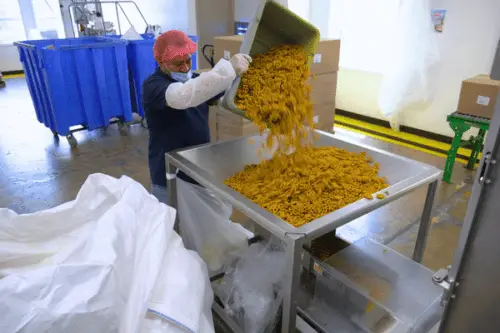 Developing your own packaging system involves much more than investing in the right packaging equipment and materials to get the job done. It also involves warehousing and hiring an additional workforce to run your packaging operation alongside your core business.
Key Factors To Consider When Selecting Packaging Materials
Comments Off on Key Factors To Consider When Selecting Packaging MaterialsProduct packaging is an essential step in the product life cycle. It not only protects the product from external damage but also serves as an essential marketing tool. Packaging can help a product stand out from the competition. It can also provide information about a product’s features and benefits.
What Plastic Is Used in Shrink Wrapping?
Comments Off on What Plastic Is Used in Shrink Wrapping?What Plastic Is Used in Shrink Wrapping?
Three primary types of shrink wrapping exist for various applications in the shipping and retail industries, among others. These include polyolefin (POF), polyethylene (PE), and polyvinyl chloride (PVC). Each type of material comes with unique properties and benefits.
What Is Plastic Shrink Wrap Made Of?
The three types of shrink wrap materials offer different advantages that make them compatible with various applications. The following are the specific characteristics of each:
PVC Shrink Wrap
While PVC shrink wrap used to be the most popular shrink packaging material used for many applications, in recent years, its lack of sustainability and potential health hazards have made it less common than POF and PE shrink wrap materials. However, many applications still use it across multiple industries, with these materials composing the following:
- Clamshell packaging
- Blister packaging
- Bagging
- And other packaging materials
POF Shrink Wrap
POF shrink wrap is considerably safer than PVC shrink wrap and offers superior versatility and durability compared to other shrink wrap materials. Its food-safe nature has led the FDA to approve it for use in many applications. POF shrink wrap consists of polyolefin, which provides reliable protection for a wide variety of products, including those with an irregular shape. This material is also cost-effective and puncture-resistant, further contributing to its popularity.
PE Shrink Wrap
For applications requiring more flexibility than polyolefin shrink wrap but with the same level of durability, PE shrink wrap offers a dependable alternative. Polyethylene is a kind of polyolefin with added ethylene that allows for increased flexibility, making it ideal for shrink wrap and stretch wrap materials. Low-density polyethylene (LDPE) and high-density polyethylene (HDPE) are available, with the increased durability and strength of LDPE offering more reliability for shrink wrap materials.
The Difference Between Shrink Wrap and Stretch Wrap
Although people often confuse plastic shrink wrap and stretch wrap because of their similar appearance, they each feature unique properties that result in differences in performance. In shrink wrap applications, packaging equipment places a thin film of PE over one or more products. The system then applies heat to the film, causing it to shrink over the items and forming a protective seal that’s resistant to tampering and tears. Stretch wrap applications, on the other hand, rely on a different type of formulation to allow for enhanced stretching.
Stretch wrap offers elastic memory and self-clinging capabilities to form a tight protective layer around products. It’s often used for unitizing or palletizing several products on pallets to keep them stable during transport. Another key difference between shrink and stretch wrap is the stretch limit before breakage occurs. For shrink wrap, this limit is a 50-75% stretch while stretch wrap can stretch to around 100-300% before breaking.
Why Polypropylene Is Less Used for Shrink Wrapping
Many applications forgo the use of polypropylene for shrink wrapping due to its increased hardness compared to other materials. Additionally, shrinking polypropylene leads to decreased stability and it has a higher melting temperature than other more reliable materials.
Shrink Wrap Products from Econo-Pak
If you need high-quality shrink wrap materials for your application, it’s important to determine which material is best suited for your project. Depending on what you need, Econo-Pak can help you select the right solution.
Let's start scaling.
Is your demand outpacing your ability to package your own product? Then consider outsourcing with Econo-Pak.
With over 40 years of experience working with both small brands and Fortune 500 companies, we are capable of handling your specific dry food product.
Get in touch with our team for a fixed-price quote for your project.
What Materials Are Used in Flow Wrapping?
Comments Off on What Materials Are Used in Flow Wrapping?During the flow wrapping process, a conveyor belt moves the product horizontally to the forming area. The product is then wrapped in film and sealed at both ends by applying pressure, heat, or a combination of both.
Similar to vertical form fill seal (VFFS) methods, the finished result is a flexible pouch secured by airtight crimp-sealed ends.
What Materials are Used with Flow Wrapping?
The flow wrapping process is compatible with the same types of materials used in VFFS methods. When choosing a material for a packaging application, it is important to prioritize product safety and quality while considering the type of packaging aesthetic that will best promote the brand and engage the target consumer. Common flow wrap packaging materials include:
- Polyethylene terephthalate (PET): A member of the polyester family, PET is a durable and transparent thermoplastic polymer resin. This lightweight yet strong packaging material is ideal for protecting items from their surroundings while allowing the consumer to view the enclosed product.
- Polyethylene (PE): PE, a type of polyolefin resin, is the most widely used consumer plastic today. This transparent, glossy material makes an attractive and protective package that maintains the integrity and freshness of the product during transportation and on the store shelf.
- Metalized film: Metalized films are metal-coated polymer films with a shiny metallic appearance. In food packaging applications, these films offer reliable protection against water and oxygen permeation while conveying a high-end aesthetic.
- Poly film: Poly film is a thin, transparent polymeric packaging material that prevents contamination and extends the product’s shelf life.
- Polypropylene: Polypropylene is a thermoplastic polymer in the polyolefin family. This clear, glossy material is suitable for packaging everything from sensitive pharmaceutical and medicinal products to perishable food items.
How Does Flow Wrapping Work?
While the flow wrapping process can be customized for various applications and materials, all flow wrapping machines generally consist of the same elements:
- Film rolls
- Infeed conveyor system
- Film feed assembly
- Forming area
- Delivery area
These elements work together to continuously transport, wrap, seal, and discharge the packaged products. Individual steps of the flow wrapping process include:
- Process initiation: The unwrapped products are placed on the infeed conveyor belt, where they are transported to the forming area.
- Wrapping: The flow wrapping machine wraps the product in the sealing material and mates the two outer edges of the material.
- Sealing: Two rotating fin seal wheels form a longitudinal seal along the mated edges using heat, pressure, or a combination of both.
- Cutting: Using rotating cutting heads or end seal crimpers, both ends of the adjoined packages are simultaneously sealed and cut to produce several individual packages.
- Delivery: The packaged products are transported to the discharged area.
What Types of Products Are Ideal for Flow Wrap Packaging?
Compatible with a wide range of product shapes and sizes, flow wrap packaging can be used for essentially any solid item that can be transported along a horizontal conveyor belt. Small granular items or liquid products are generally better suited for vertical packaging techniques that allow the product to be dropped into the package.
Examples of commonly flow-wrapped items include:
- Candy and confectionery products
- Snack foods
- Dry products such as pasta, rice, and seeds
- Produce
- Meat, poultry, and seafood
- Pharmaceutical and medicinal items
- Industrial products such as tools and hardware
- Personal care items and cosmetics
Custom Flow Wrapping Services at Econo-Pak
Flow wrapping is a versatile and efficient packaging process suitable for a wide range of product types and sizes. At Econo-Pack, our flow wrapping capabilities and other packaging services allow us to create functional and visually engaging packaging solutions that maintain product quality and freshness while enhancing brand visibility. As demonstrated by our long-term partnerships with several industry-leading companies, clients trust us to consistently deliver the highest-quality products with unbeatable turnaround times and competitive pricing.
To learn more about our flow wrapping services and other packaging capabilities, please request a quote to get pricing details on your project.
Let's start scaling.
Is your demand outpacing your ability to package your own product? Then consider outsourcing with Econo-Pak.
With over 40 years of experience working with both small brands and Fortune 500 companies, we are capable of handling your specific dry food product.
Get in touch with our team for a fixed-price quote for your project.
The Benefits of Outsourcing a Co-Packer for Your Business
Comments Off on The Benefits of Outsourcing a Co-Packer for Your BusinessGrowing your brand and ensuring your products get to your customers requires a reliable and timely production process. Contracting a co-packer can streamline the process for you.
Contract packaging companies offer packaging services for various products in retail, commercial, and trade industries, including food like snacks and dry pasta.
It’s challenging to find a trustworthy and reliable co-packer that you can depend on for the long term. Here are a few tips to help you find a great co-packing company.
Co-packers: internal vs. external
If you’re unsure whether you want to keep your product packaging in-house or hire a co-packer, consider the complexities of packaging and labeling products.
Contracting with a co-packing company can solve the following problems:
- Selling products faster than you can package them
- Signs of anxiety and stress in your production staff
- Business growth and marketing falling short because of packaging demands
- Inability to produce new products because of time spent on packaging
By developing a relationship with a great co-packing company, it gives you more time to build your business by creating additional products and implementing new marketing strategies.
Also, a co-packing company has all the equipment needed for your packaging needs. This is a cost-effective solution because it doesn’t require you to hire additional employees or invest in equipment.
Tips for finding the right co-packer
Before selecting a co-packer, assess the benefits of outsourcing your packaging with a company that has the equipment and qualified staff needed for all aspects of the packaging process.
Check several co-packing companies to see if they offer a fixed cost and hold the required certifications and FDA approval, similar to Econo-Pak’s SQF level 3 certification. Some other key considerations include:
1. Location
Hiring a co-packing company that’s located in another state or country can involve additional costs, increased delivery times, and communication difficulties when problems occur.
A co-packer close to your location can simplify the process significantly. However, if you do select one that is in a different location, ensure that they have the ability to ship nationally, like Econo-Pak.
2. Safety and cleanliness
Keeping the co-packing facility clean and free from packing debris makes the packaging process safe and reduces errors. Choose a co-packing company that implements stringent safety and hygiene protocols.
Quality assurance certifications are indications of co-packing company standards. Econo-Pak takes quality and safety seriously, with certifications at the state and global levels:
- Safe Quality Food Certified (SQF Level 3)
- Organic Certified by Baystate Organic Certifiers
- Costco Safety and Quality Audit Certified
- Food and Drug Administration Certified (FDA Compliant)
- Kosher OU-D Certified
- Gluten-Free Certified by the Gluten Intolerance Group of North America
3. Certifications
Ensure that the co-packer you choose has taken the necessary steps to properly certify their facility, processes, and procedures. Proper certifications will help protect the integrity of your product and ensure high-quality packaging that supports your brand reputation. Some of the most important certifications include:
- FDA certification
- Kosher Check
- USDA Organic certification
- Fair Trade
4. Equipment
If possible, examine the equipment to make sure the company uses modern packaging technology for enhanced control of the entire co-packing process.
5. Experience
Experienced co-packing companies offer fast product turnaround times. By using the right equipment, they ensure high-quality packaging with shorter lead times.
Once you’ve finished researching, narrow down your list. You might not need all the services offered by larger companies. Ask if the company is flexible and offers only the services you need.
Since your customers trust your brand, it’s important that the co-packer meets your sourcing requirements. Talk to them about their suppliers, and ask if adjustments can be made to meet your needs.
Econo-Pak can help you outsource your packaging
Now that you understand how to find a co-packer, start your research. It might seem like a huge undertaking, but once you find a reliable company, you’ll wonder how you ever ran your business without one.
Partnering with Econo-Pak provides you with quick turnaround times, affordable pricing, and a commitment to quality packaging. Econo-Pak offers flexible services to both large and small businesses for high-volume co-packing and co-manufacturing. See why our clients love us on our Testimonials page.
Ready to get started? Request a fixed-price quote today for your dry food project.
Let's start scaling.
Is your demand outpacing your ability to package your own product? Then consider outsourcing with Econo-Pak.
With over 40 years of experience working with both small brands and Fortune 500 companies, we are capable of handling your specific dry food product.
Get in touch with our team for a fixed-price quote for your project.
Co-Packing vs. Private Label
Comments Off on Co-Packing vs. Private LabelOne of the most significant decisions for thriving business owners is private label vs. contract manufacturing.
It’s important to understand the strengths and weaknesses of co-packing and private labeling to decide which option is best for your business, as the functions and benefits of the two vary greatly.
Econo-Pak’s New Salt Analyzer Testing Process
Comments Off on Econo-Pak’s New Salt Analyzer Testing ProcessEcono-Pak added salt analysis to our on-site testing capabilities to test our clients’ products during the seasoning and/or blending process. This equipment allows us to ensure that the salt levels meet the finished product specifications, before they are packaged and distributed to the market and consumers.
Let’s learn about salt in food products and how salt analyzers manage sodium levels for optimal taste.