
Food Packaging Robots: The Future
Comments Off on Food Packaging Robots: The FutureIn recent years, the food packaging industry has seen a significant improvement in technology, with one of the most revolutionary advancements being the use of robots.
Robotic systems offer many advantages over manual processes and are continuing to transform the food packaging industry now and into the future.
The Current Landscape of Food Packaging Robots
Food packaging robots come in numerous types, each specializing in different packaging tasks. Common types include:
- Pick and place robots. These robots perform well in tasks such as arranging, sorting, and placing food products into packaging containers with precision.
- Collaborative robots. Collaborative robots work alongside human workers and are commonly used in packaging applications requiring a high degree of flexibility and adaptability.
- Retort machines. These automated machines are specifically designed to preserve food products and ensure optimal quality, safety, and shelf life.
- Fully automated packaging lines. Automated packaging lines utilize a combination of robotics, conveyors, and other equipment to streamline the entire food packaging process.
Benefits of Food Packaging Robots
Food packaging robots offer several advantages over traditional manual processes. These advantages include:
- Better efficiency and productivity. Food packaging robots are capable of working continuously without breaks for enhanced productivity. They greatly reduce packaging times, resulting in significant cost savings and faster delivery to consumers.
- Enhanced product quality and consistency. Robots can package food products with minimal risk for error. This leads to enhanced packaging quality, precision, and consistency.
- Cost savings and reduced labor dependency. Although the initial investment in advanced robotics technology may be high, the long-term cost savings are often significant due to lower labor costs and enhanced efficiency. Robots can also be easily reprogrammed or reconfigured to handle different packaging tasks without the need for additional labor.
- Minimization of rote task-related injuries. Food packaging robots take on tasks that require repetitive motions. These types of movements can lead to overuse injuries in humans, so workers can enjoy a more comfortable job position while the robots do the menial labor.
- Improved food safety and hygiene. Robotic packaging systems can operate in sterile environments, helping businesses reduce the risk of contamination while remaining compliant with FDA food packaging regulations. They are also capable of handling delicate food products without the risk of damage or contamination.
- Reduced human error and packaging waste. The automated nature of food packaging robots minimizes the risk of human error, resulting in reduced waste and improved product quality.
Food Packaging Robots Applications
Robotics are capable of carrying out numerous tasks related to the food packaging process. Common applications include:
- Pick and place of randomly oriented food items
- Raw food packaging
- Depanning
- Denesting
- Boxing
- Palletizing
- Warehousing tasks
Technological Components of Food Packaging Robots
The efficacy of food packaging robots depends on various cutting-edge technological components. Today’s advanced robotics systems typically include the following:
- Sensors that allow robots to perceive their environment
- Machine vision systems for quality control purposes
- Sophisticated software and programming tools
In addition to the abovementioned elements, food packaging robots are often integrated with other packaging machinery and systems to create a seamless and efficient packaging process.
Challenges of Food Packaging Robots
Despite their numerous benefits, food packaging robots can come with several challenges, including:
- Higher upfront costs, which may deter smaller businesses
- Require a certain level of maintenance and technical expertise to remain operational
- Can be difficult to ensure compliance with food safety regulations
- Concerns about potential job displacement as automation becomes more common in the industry
If you are considering outsourcing your food packaging due to the limitations discussed above, contact us today and we’ll give you a fixed-price quote for your project.
The Future Prospects of Food Packaging Robots
The future of food packaging will undoubtedly see increased implementation of robotics and other automated systems. As we dive deeper into Industry 4.0, the food packaging industry will continue to use robotics to enhance packaging efficiency and decrease costs.
On top of the previously mentioned benefits, robots are also expected to help with sustainability initiatives by reducing waste and creating more eco-friendly food packaging materials. Artificial intelligence and machine learning will further improve the capabilities of food packaging robots by enabling them to easily adapt to changing demands and product requirements.
Meet the Future of Food Packaging With Your Own Robotic Solutions
Robots not only improve the speed and quality of food packaging operations but also help to reduce waste and labor costs. At Econo-Pak, we are dedicated to continuously advancing our contract food packaging services through the use of cutting-edge equipment and robotic automation.
For more information about our contract food packaging capabilities and the equipment we use, request a quote today.
Let's start scaling.
Is your demand outpacing your ability to package your own product? Then consider outsourcing with Econo-Pak.
With over 40 years of experience working with both small brands and Fortune 500 companies, we are capable of handling your specific dry food product.
Get in touch with our team for a fixed-price quote for your project.
How to Choose the Right Food Co-Packer for Your Business
Comments Off on How to Choose the Right Food Co-Packer for Your BusinessContract food packaging serves a much greater purpose than simply safeguarding your products. It is a vital component of sustainability initiatives, food safety, and brand identity.
Compostable Plastic Food Packaging: A Guide
Comments Off on Compostable Plastic Food Packaging: A GuideThe reality of today’s fast-paced economy means consumers demand convenience in every facet of life, including the ability to easily store, transport, and consume various dry foods. Packaging plays an important role in the convenience, shelf life, and freshness of cereal, chips, nuts, pasta, and more.
Packaging types also affect consumer purchasing decisions. In this blog, we’ll discuss the 10 most common dry food packaging options and why they’re favorites among consumers.
Factors Influencing Dry Food Packaging Popularity
Many factors make certain types of packaging for dry food better than others.
Food safety is the top priority when it comes to food packaging. Preservation and shelf-life are particularly important features, both in stores and in the homes of consumers. Throughout the supply chain, effective packaging should protect dry goods from moisture, air, and light to extend product shelf life.
Convenience and portability are also essential to meet the needs of modern consumers. On-the-go lifestyles require packaging that is easy to open, close, and transport throughout the product lifecycle. At the same time, the packaging should be cost-effective—it shouldn’t substantially add to the product’s cost.
Other factors have to do with certain consumer preferences. Eye-catching product packaging attracts immediate attention on crowded store shelves. Furthermore, increasing environmental awareness has made sustainable and eco-friendly packaging more important to consumers. Sustainable packaging materials that are biodegradable, recyclable, or made from sustainable sources appeal to consumers because such packaging helps consumers feel like they are having a positive impact on the environment.
The Top 10 Most Popular Dry Food Packaging Options
Dry food packaging needs to be durable and preserve product shelf-life. These popular dry food packaging options appeal to consumers for different reasons.
- Resealable Stand-Up Pouches: Popular because they’re easy to reseal, store, and display, stand-up pouches take up minimal shelf space and create minimal environmental waste. They are used for a variety of products, including coffee, snacks, and dried fruits.
- Ziplock Bags: Low cost, easy use, and wide availability make ziplock bags one of the most preferred packaging options. They are commonly used to portion and store various snacks or sandwiches.
- Cardboard Packaging: Sturdy, highly customizable, and eco-friendly, cardboard packaging is well-suited for store shelves and consumer homes. Common uses include individually packaged and bulk-packaged snacks and foods, like granola, cereal, and crackers.
- Tin Tie Bags: Featuring a built-in paper-covered wire at the top, tin tie bags are easy for users to fold up and down to open and reseal. These eco-friendly, versatile bags are commonly used for bulk foods and specialty coffees.
- Vacuum-Sealed Bags: One of the best ways to retain freshness, vacuum-sealed bags are used to store a variety of freeze-dried foods and spices.
- Plastic Containers: Popular for their durability and airtight seal, plastic containers are ideal for extending product shelf life. Their reusability also makes them ideal for eco-conscious consumers. Common uses include pet food, cereal, and snacks.
- Paper Bags: A long-standing favorite for their eco-friendly, lightweight, and customizable properties, paper bags are commonly used for bakery items and bulk goods.
- Foil Packets: Commonly used for instant coffee and other powdered products, foil packets are in demand for their excellent barrier properties and because they’re lightweight.
- Glass Jars: Although they require special care to avoid breakage, glass jars are prized for their aesthetic appeal, reusability, and recyclability. Glass jars are often used for spice packaging and can be reused for nuts, grains, flour, and more.
- Flexible Packaging Films: Ideal for snacks, these packages are lightweight, customizable, and cost-effective. They are frequently used to package items like popcorn, chips, and dried fruit.
Emerging Trends in Dry Food Packaging
While some packaging options are long-time popular choices for practical reasons or visual appeal, several emerging trends are shaping the future of dry food packaging. Smart packaging, sustainable packaging, minimalist designs, refillable packaging, innovative shapes and sizes, and personalized packaging are gaining popularity, as they address the evolving preferences of consumers.
Learn More About Dry Food Packaging
While there are many dry food packaging options available, not all of them will be suitable for your dry food product. With over 40 years of experience in the food packaging industry, Econo-Pak can help you develop or select the ideal packaging for your particular product. Learn more about the most popular dry food packaging materials, and request a quote today to start your packaging solution.
Let's start scaling.
Is your demand outpacing your ability to package your own product? Then consider outsourcing with Econo-Pak.
With over 40 years of experience working with both small brands and Fortune 500 companies, we are capable of handling your specific dry food product.
Get in touch with our team for a fixed-price quote for your project.
The Evolution of Cereals in the Food Industry
Comments Off on The Evolution of Cereals in the Food IndustryCereals, with their rich and diverse history, have been the backbone of human nutrition for millennia. Their journey from the fields of ancient civilizations to the breakfast tables of today is a testament to their enduring appeal and adaptability.
Historical Perspective of Cereals
The importance of cereals can be traced back to ancient times and beyond. In fact, the oldest example of cereal reliance traces back to early Homo sapiens, over 100,000 years ago!
In more recent ancient history, civilizations such as the Egyptians, Sumerians, and Chinese cultivated grains like wheat, barley, and rice. These weren’t just crops; they were symbols of prosperity and life. The grains were meticulously ground into flour, leading to the creation of bread and porridge. These simple yet nutritious meals became the bedrock of their daily sustenance.
The Birth of Breakfast Cereals
Fast forward to the late 19th and early 20th centuries, a revolution was brewing in the West. The industrial age brought with it the need for quick, nutritious meals. Enter pioneers like John Harvey Kellogg, who introduced the world to cornflakes.
This wasn’t just a culinary innovation; it was a shift in how society viewed breakfast. The era of breakfast cereals had dawned, and it brought a plethora of companies on board, each introducing their unique cereal concoctions.
Modern-Day Cereal Trends
The cereal landscape today is a mosaic of flavors, textures, and nutritional profiles. Let’s delve deeper into the current trends:
- Health and nutrition: The modern consumer is well-informed and health-conscious. Brands have responded by fortifying cereals with essential vitamins, minerals, and fibers. The shelves are now adorned with whole grain, low sugar, and gluten-free variants catering to diverse dietary needs.
- Flavor innovations: The cereal bowl has become a canvas for culinary creativity. From the comforting taste of honey and nuts to the exotic allure of tropical fruits and spices, there’s a flavor for every palate.
- Sustainability: As the world grapples with environmental challenges, the cereal industry hasn’t remained a bystander. Organic farming, devoid of synthetic pesticides and GMOs, is gaining traction. This shift isn’t just ecological; it’s also about ensuring health and wellness.
- Global influences: The world is a global village, and our cereal bowls reflect that. Grains like quinoa and amaranth, once limited to specific regions, are now global favorites.
The Role of Packaging
In an age where consumers are inundated with choices, packaging is more than just a protective layer. It’s a storyteller, conveying the brand’s ethos, the product’s nutritional profile, and its environmental impact. With the rising tide of environmental awareness, sustainable packaging solutions are not just preferred; they’re demanded.
Cereal Foods Packaging Solutions
Econo-Pak’s innovative pouches have set a benchmark in the cereal packaging domain. These pouches not only preserve the crunch and freshness of cereals but also ensure prolonged enjoyment for consumers. One of the standout features is the blending and seasoning services offered alongside packaging, streamlining the supply chain and ensuring consistency in product quality.
Distinctive packaging designs are crucial in a competitive market. Custom-designed pouches ensure that cereal products stand out, captivating attention in the supermarket aisles. Moreover, the emphasis on sustainable packaging materials aligns with brands’ commitment to the environment, resonating with eco-conscious consumers.
Types of Cereal Packaging by Econo-Pak
- Bag-in-box solutions: This dual-layer packaging offers an inner bag for freshness and an outer box for rigidity. It’s perfect for bulk cereal products, extending shelf life while providing ample space for branding and nutritional information.
- Stand-up pouches: A modern solution crafted with high-quality materials. These pouches are designed for maximum shelf presence and easy pantry storage. The resealable feature ensures prolonged freshness, and the broad surface area is perfect for showcasing brand logos, designs, and essential nutritional details.
In the ever-evolving world of cereals, packaging plays a pivotal role in ensuring product integrity, brand visibility, and consumer satisfaction. Econo-Pak, with its decades of expertise, stands as a beacon in the cereal packaging industry, offering solutions that are both innovative and sustainable.
If you’re ready to outsource packaging for your cereal product, contact Econo-Pak today.
Let's start scaling.
Is your demand outpacing your ability to package your own product? Then consider outsourcing with Econo-Pak.
With over 40 years of experience working with both small brands and Fortune 500 companies, we are capable of handling your specific dry food product.
Get in touch with our team for a fixed-price quote for your project.
Top 10 Most Popular Dry Food Packaging Options
Comments Off on Top 10 Most Popular Dry Food Packaging OptionsThe reality of today’s fast-paced economy means consumers demand convenience in every facet of life, including the ability to easily store, transport, and consume various dry foods. Packaging plays an important role in the convenience, shelf life, and freshness of cereal, chips, nuts, pasta, and more.
Packaging types also affect consumer purchasing decisions. In this blog, we’ll discuss the 10 most common dry food packaging options and why they’re favorites among consumers.
Factors Influencing Dry Food Packaging Popularity
There are many factors that make certain types of packaging for dry food better than others.
Food safety is the top priority when it comes to food packaging. Preservation and shelf-life are particularly important features, both in stores and in the homes of consumers. Throughout the supply chain, effective packaging should protect dry goods from moisture, air, and light to extend product shelf life.
Convenience and portability are also essential to meet the needs of modern consumers. On-the-go lifestyles require packaging that is easy to open, close, and transport throughout the product lifecycle. At the same time, the packaging should be cost-effective—it shouldn’t substantially add to the product’s cost.
Other factors have to do with certain consumer preferences. Eye-catching product packaging attracts immediate attention on crowded store shelves. Furthermore, increasing environmental awareness has made sustainable and eco-friendly packaging more important to consumers. Sustainable packaging materials that are biodegradable, recyclable, or made from sustainable sources appeal to consumers because such packaging helps consumers feel like they are having a positive impact on the environment.
The Top 10 Most Popular Dry Food Packaging Options
Dry food packaging needs to be durable and preserve product shelf-life. These popular dry food packaging options appeal to consumers for different reasons.
- Resealable stand-up pouches: Popular because they’re easy to reseal, store, and display, stand-up pouches take up minimal shelf space and create minimal environmental waste. They are used for a variety of products, including coffee, snacks, and dried fruits.
- Ziplock bags: Low cost, easy use, and wide availability make ziplock bags one of the most preferred packaging options. They are commonly used to portion and store various snacks or sandwiches.
- Cardboard packaging: Sturdy, highly customizable, and eco-friendly, cardboard packaging is well-suited for store shelves and consumer homes. Common uses include individually packaged and bulk-packaged snacks and foods, like granola, cereal, and crackers.
- Tin tie bags: Featuring a built-in paper-covered wire at the top, tin tie bags are easy for users to fold up and down to open and reseal. These eco-friendly, versatile bags are commonly used for bulk foods and specialty coffees.
- Vacuum-sealed bags: One of the best ways to retain freshness, vacuum-sealed bags are used to store a variety of freeze-dried foods and spices.
- Plastic containers: Popular for their durability and airtight seal, plastic containers are ideal for extending product shelf life. Their reusability also makes them ideal for eco-conscious consumers. Common uses include pet food, cereal, and snacks.
- Paper bags: A long-standing favorite for their eco-friendly, lightweight, and customizable properties, paper bags are commonly used for bakery items and bulk goods.
- Foil packets: Commonly used for instant coffee and other powdered products, foil packets are in demand for their excellent barrier properties and because they’re lightweight.
- Glass jars: Although they require special care to avoid breakage, glass jars are prized for their aesthetic appeal, reusability, and recyclability. Glass jars are often used for spice packaging and can be reused for nuts, grains, flour, and more.
- Flexible packaging films: Ideal for snacks, these packages are lightweight, customizable, and cost-effective. They are frequently used to package items like popcorn, chips, and dried fruit.
Emerging Trends in Dry Food Packaging
While some packaging options are long-time popular choices for practical reasons or visual appeal, several emerging trends are shaping the future of dry food packaging. Smart packaging, sustainable packaging, minimalist designs, refillable packaging, innovative shapes and sizes, and personalized packaging are gaining popularity, as they address the evolving preferences of consumers.
Learn More About Dry Food Packaging
While there are many dry food packaging options available, not all of them will be suitable for your dry food product. With over 40 years of experience in the food packaging industry, Econo-Pak can help you develop or select the ideal packaging for your particular product. Learn more about the most popular dry food packaging materials, and request a quote today to start your packaging solution.
Let's start scaling.
Is your demand outpacing your ability to package your own product? Then consider outsourcing with Econo-Pak.
With over 40 years of experience working with both small brands and Fortune 500 companies, we are capable of handling your specific dry food product.
Get in touch with our team for a fixed-price quote for your project.
FDA Food Packaging Regulations
Comments Off on FDA Food Packaging RegulationsFood packaging is designed to attract attention while protecting and preserving the products inside. With such an important role to play, it’s essential the packaging itself does not change or harm the food product.
FDA regulations for food packaging ensure the materials used for packaging do not create a health hazard or change the taste, smell, or composition of the food. It’s a matter of public health, and it’s a primary consideration for food manufacturers when they are designing their product packaging.
Types of FDA Food Packaging Regulations
Just like the FDA regulates ingredients like colors, flavors, and preservatives that are added directly to the food, they also regulate substances that come in contact with and may transfer to the food. The FDA mandates that each of these categories of food additives and packaging be safe for consumers:
- Direct Food Additives: These additives, like flavors and preservatives added directly to the food, must be scientifically shown to cause no harm to humans. The FDA regulates the ingredients, the amounts in which they’re used, and how they’re identified on food labels.
- Indirect Food Additives: These include plastics, cardboard, dyes, and colorants used for packaging graphics, adhesives, and special substances used to prevent grease from leaking through a package or to prevent a product from sticking to the package. Since trace amounts of these substances may migrate to the food, it must be shown they are not a risk to human health in those amounts.
- Food Contact Substances: Some food contact substances, like packaging materials, dyes, adhesives, cookware, food preparation surfaces, and more, can become indirect food additives if the substances migrate onto the food product. These surfaces must also not pose a risk to human health.
How to Comply With FDA Food Packaging Regulations
Complying with food packaging regulations comes down to three key points:
- Use FDA-approved food additives. The FDA maintains a list of nearly 4,000 substances that are approved for use in food, as well as ingredients that used to be allowed but are no longer approved.
- Use food contact substances that are generally recognized as safe (GRAS). These substances are already approved as unlikely to cause any harm when used as intended and do not require additional review by the FDA.
- Use the right product labels on your packaging. Even if you use all the right ingredients, you’re not compliant with regulations unless you label them appropriately.
Your Food Is Safe With Econo-Pak
At Econo-Pak, we operate under FDA regulations to ensure safe, compliant, high-quality packaging for your food products. Our quality control system is independently audited on a regular basis, and we’ve earned a wide range of certifications, including:
- Food and Drug Administration Certified (FDA Compliant)
- Organic Certified by Baystate Organic Certifiers
- Gluten-Free Certified by the Gluten Intolerance Group of North America
- Safe Quality Food Certified (SQF Level 3)
- Kosher OU-D (Orthodox Union Certified)
- Costco Safety and Quality Audit Certified
When you work with Econo-Pak, you enjoy peace of mind in knowing your food will be packaged compliantly. To learn more about FDA regulations for food packaging, see these resources:
- Food Ingredients & Packaging (FDA)
- Substances Added to Food Inventory List (FDA)
- Understanding How the FDA Regulates Food Additives and GRAS Ingredients (FDA)
- Key Factors to Consider When Selecting Packaging Materials (Econo-Pak)
- The Importance of Product Labels (Econo-Pak)
To learn more about FDA food packaging regulations and why Econo-Pak should be your next contract packager, request a quote today.
Let's start scaling.
Is your demand outpacing your ability to package your own product? Then consider outsourcing with Econo-Pak.
With over 40 years of experience working with both small brands and Fortune 500 companies, we are capable of handling your specific dry food product.
Get in touch with our team for a fixed-price quote for your project.
Food Packaging Materials: Sustainability and Trends
Comments Off on Food Packaging Materials: Sustainability and TrendsFood packaging plays an important role in informing consumers of product safety and freshness information and branding details. Contract food packaging also impacts the environment depending on the materials used. However, because we live in a world where convenience and consumption are so closely related, many often overlook food packaging’s environmental impact.
The concerns about the environmental impact of food packaging materials are growing because consumers and businesses are beginning to see the negative effects plastic and styrofoam containers can have on the environment. The need for sustainable practices is becoming increasingly prevalent and companies should seek eco-friendly food packaging options to reduce their environmental footprint. Exploring innovative, environmentally friendly food packaging materials aligns with the eco-conscious values of today’s world and is an effective strategy to target consumers who place importance on sustainability.
Traditional Food Packaging Materials and Their Challenges
Plastic and styrofoam are used widely for food packaging because of their convenience. However, their convenience comes at a cost, resulting in several environmental challenges.
Plastic
Plastic is non-biodegradable, and its use across the food industry has contributed to an alarming increase in landfills and ocean and waterway pollution. This means the plastic packaging carelessly discarded today will continue to impact future generations.
Styrofoam
Styrofoam, or expanded polystyrene, is a popular food packaging choice for prepared meals and take-out. The material’s harmful effects on wildlife and ecosystems have come to light because of its inability to break down naturally.
Sustainable Food Packaging Materials and Solutions
As sustainability becomes more of a concern, the food packaging industry is offering more innovative solutions.
- Biodegradable plastics: Biodegradable plastics break down through natural processes, as they are made from renewable resources. This natural breakdown significantly reduces their environmental impact.
- Compostable packaging: Compostable packaging options, such as cardboard, helps to reduce the burden on landfills. This is because they are designed to decompose in industrial composting facilities.
- Plant-based packaging: Plant-based packaging uses agricultural byproducts to create sustainable food packaging, lowering the carbon footprint often associated with typical packaging materials.
Innovative Trends in Food Packaging Materials
With the increased demand for sustainable packaging, many contract food packaging providers are developing more creative, non-traditional packaging methods to fulfill the need. Innovative food packaging trends include the following:
Edible Packaging
Once a futuristic vision, edible packaging is now a reality. A snack wrapped in edible film helps eliminate waste and adds novelty to the eating experience.
Smart Packaging
Smart packaging integrates technology to monitor food freshness, extending products’ shelf life. Smart packaging helps reduce food waste and improves consumer trust.
Minimalist Packaging
Several brands are adopting simpler packaging designs with fewer materials. This shows a shift to accommodate consumers’ eco-conscious preferences.
Challenges and Considerations
While sustainable packaging solutions offer environmental benefits, they also have their challenges. Sustainable food packaging can be difficult to balance with functional requirements. Maintaining packaging’s functionality, such as food protection and convenience, is a delicate task when choosing eco-friendly food packaging options. The lack of recycling and composting infrastructure also makes wide adoption of sustainable packaging materials harder. Another challenge is shifting consumer perception and behavior towards environmentally friendly packaging materials. Changing consumers’ perceptions requires education and awareness campaigns, which result in more time and expense for companies.
The Future of Food Packaging Materials
Technology advancements and evolving consumer preferences transform the landscape of food packaging further. New packaging materials and techniques that provide functionality and sustainability bring promise to the future of food packaging options. That’s why it’s more important than ever for brands to choose the correct food packaging materials.
A pivotal part of ensuring scalable, sustainable food packaging materials is recycling and waste management systems advancements. As recycling and composting options grow, so can eco-friendly packaging choices. The efforts of businesses and consumers will continuously shape the future of food packaging materials because it will set the stage for a more sustainable relationship between food and its packaging.
Learn More About Food Packaging Materials from Econo-Pak
Sustainable food packaging is not just a fad; it’s essential as consumer preferences toward eco-friendly options shift. Food packaging can have lasting environmental impacts if businesses do not consider more sustainable product packaging options. For a fresh perspective on the future of food packaging, food packaging materials, or types of food packaging products, request a quote today!
Let's start scaling.
Is your demand outpacing your ability to package your own product? Then consider outsourcing with Econo-Pak.
With over 40 years of experience working with both small brands and Fortune 500 companies, we are capable of handling your specific dry food product.
Get in touch with our team for a fixed-price quote for your project.
The Power of Single-Serve Packaging
Comments Off on The Power of Single-Serve PackagingIn today’s fast-paced world, convenience is king. This is evident in the food packaging industry, where single-serve packaging has become the norm. Whether it’s a bag of chips, a candy bar, or a sachet of instant coffee, single-serve packaging offers numerous benefits, not just for consumers but also for businesses.
Why Offer Single-Serve Packaging?
1. Consumer convenience: In a world where time is of the essence, consumers are constantly on the lookout for products that are easy to carry, open, and consume on-the-go. Single-serve packaging perfectly caters to this demand.
2. Portion control: For the health-conscious, single-serve packaging ensures that they consume just the right amount, reducing the risk of overconsumption.
3. Reduced food waste: With individually sealed packages, food remains fresh for longer, reducing the likelihood of spoilage and waste.
4. Eco-friendly options: Many companies now offer sustainable single-serve packaging solutions, appealing to the environmentally conscious consumer.
How Single-Serve Packaging Increases Profitability
Consumers enjoy single-serve packaging for their on-the-go lifestyles, and companies benefit from them, too. Here’s how single-serve packaging helps companies increase profits:
- Higher price points: Consumers often perceive single-serve packaging as more convenient and desirable. This perception can allow companies to command higher price points for the convenience and portion control provided by these packages. Premium pricing can directly boost profit margins.
- Improved inventory management: Single-serve packaging simplifies inventory management for businesses. It reduces the complexity of storing and tracking bulk quantities, leading to cost savings in terms of storage space, labor, and logistics.
- Customization and branding: Single-serve packages can be customized with a company’s branding, logo, and product information. This helps to create a stronger brand presence and customer loyalty, which can translate into increased sales and profitability.
- Consumer convenience: In our fast-paced world, consumers often seek convenience. Single-serve packaging caters to this demand by offering products that are easy to carry, open, and consume on-the-go. This convenience can attract more customers and drive sales.
- Market expansion: Single-serve packaging allows companies to tap into new markets and consumer segments. It can make products more accessible to consumers who prefer smaller servings, such as singles or those in small households.
- Eco-friendly options: Many companies offer eco-friendly single-serve packaging solutions, which can resonate with environmentally conscious consumers. These sustainable packaging options can enhance a company’s reputation and appeal, potentially leading to higher sales.
- Reduced packaging costs: While the individual packaging units might seem costlier than bulk packaging at first glance, businesses often find that the overall packaging costs decrease due to reduced material usage and streamlined processes.
- Consumer trends: As consumers increasingly prioritize convenience, health, and sustainability, single-serve packaging aligns well with these trends, making it a strategic choice to meet evolving consumer preferences.
- Portion control: Single-serve packaging provides precise portion control. This means that customers receive exactly the amount of product they want or need, reducing the risk of overconsumption. This is particularly important for calorie-conscious consumers and can lead to repeat purchases.
- Reduced food waste: With single-serve packaging, there is less risk of food spoilage and waste. Products are sealed individually, which helps maintain freshness and extends the shelf life. This reduces the likelihood of unsold products being discarded, thereby minimizing financial losses.
Types of Single-Serve Packaging
- Sachets: Ideal for sugar, salt, spices, or powdered drink mixes.
- Stick Packs: Used for instant coffee, creamer, sweeteners, and protein powders.
- Pouches: Suitable for snacks, cereal, granola, dried fruits, nuts, and trail mix.
- Cups: Used for oatmeal, instant noodles, and single servings of cereal.
- Ampoules: For packaging salt, pepper, or other condiments.
- Flow Wrap: For granola bars, cereal bars, and energy bars.
- Boxes: For single servings of cereal, tea bags, or instant coffee.
- Tubs: For instant noodles, hot cereal, and single servings of pasta.
- Aseptic Packaging: For milk powder or instant soup mixes.
Econo-Pak: The Single-Serve Packaging Expert
With advanced automation, a vast array of packaging machines, and a dedicated team, Econo-Pak ensures efficient and cost-effective packaging solutions. Our facility is SQF Level 3 certified, FDA approved, and capable of handling food allergens and special dietary needs, ensuring the highest standards of quality and safety.
If you’re considering transitioning to single-serve packaging, now is the perfect time to make the move. Contact us today to get started.
Let's start scaling.
Is your demand outpacing your ability to package your own product? Then consider outsourcing with Econo-Pak.
With over 40 years of experience working with both small brands and Fortune 500 companies, we are capable of handling your specific dry food product.
Get in touch with our team for a fixed-price quote for your project.
What Are The Foods With The Longest Shelf Life?
Comments Off on What Are The Foods With The Longest Shelf Life?Understanding food shelf life is paramount to ensuring consumer safety, minimizing waste, and maximizing profitability.
Here are 7 foods with long shelf lives.
Packaging plays a key role in preserving shelf life.
For foods with long shelf lives, the packaging plays a pivotal role. Contract food packaging companies leverage cutting-edge packaging technologies to enhance the longevity of food products.
Here are a few ways packaging helps preserve shelf life:
- Vacuum sealing: Extracting air from the package minimizes the presence of aerobic bacteria, thus prolonging the food’s shelf life.
- Modified atmosphere packaging (MAP): MAP slows down food degradation by replacing the package’s internal air with a tailored gas mixture.
- Aseptic techniques: Sterilizing both the food and its packaging separately before sealing ensures the contents remain uncontaminated.
- Smart packaging: Modern packaging can do more than just contain. It can absorb excess moisture, regulate oxidation, and even provide freshness indicators.
Let's start scaling
Econo-Pak has over 40 years of experience in the contract food packaging space, specializing in dry food products such as puff snacks, gummies, and powders.
If you are a small business looking to grow, or you’re part of a Fortune 500 company looking to bring a brand to new markets, we can help. Request a quote today if you are interested in getting a fixed price for your food packaging project.
Why is Product Packaging Important?
Comments Off on Why is Product Packaging Important?No two products are exactly alike. A superior packaging solution must provide a good fit for its product, as well as the product’s environmental conditions during storage or shelf life. Moreover, proper packaging design and implementation ensure that the product in question is kept safe during the entire transportation, distribution, and storage cycle.
What is Product Packaging?
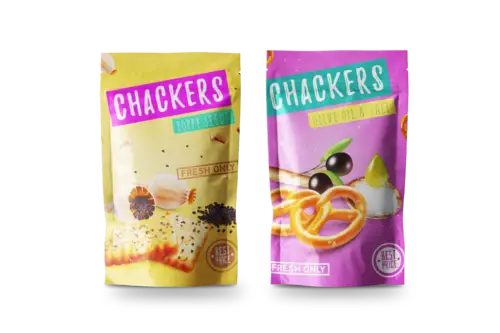
The term product packaging refers to the full process of designing, evaluating, and producing packages. Popular packaging choices include cartons, bags, boxes, wrappers, containers, pouches, and more. All these items can be selected for their functionality, then customized for marketing and branding purposes.
As the retail sector and other industries continue to expand and grow, so too does the demand for unique, durable, and attractive packaging solutions. Not only do tough, aesthetically appealing packaging designs provide a vital layer of physical protection for the products contained therein, they also serve as enticing advertisements that can grab the attention of the customer and influence a purchase.
Benefits of Product Packaging
Properly executed product packaging offers the following benefits:
- Physical protection. Perishable items, such as dairy products, fruits, vegetables, meats, and drinks, require protection from potentially harmful contaminants such as dust, chemicals, and so forth. Non-perishable items need to be guarded from compression, vibration, and mechanical shock. Proper product packaging ensures that your items remain safe from hazardous factors throughout the storage, distribution, and sales cycles.
- Information. Within many industries, government regulations mandate that companies communicate essential information to the public by means of clear and accurate packaging labels. As an example, pre-packaged food items generally must include the product’s expiration date and a list of ingredients. Proper packaging procedures help to guarantee compliance with legal requirements.
- Marketing. Product packaging is an important touch point between the company and the consumer. The design of the package should reflect the company’s brand image, style, and values in order to maximize the impact of that touch point. It is imperative to never underestimate the marketing power of a well-designed packaging template.
- Convenience. Many product packages have features that increase the level of convenience for shipping personnel, stock clerks, and consumers alike. For example, packages may feature hooks or holes for hanging displays, while others may have easy-to-peel plastic covers. Convenient features like these add value to your products.
- Barrier protection. Many companies utilize some form of barrier protection for their packaged products, including desiccants or oxygen absorbing materials. Other organizations employ anti-permeation packaging to prevent air, gas or vapor penetration. Such measures help to maximize product shelf life, keep products sterile or free from contamination.
- Security. Strong anti-tampering measures can help deter and reduce unauthorized product manipulation, protecting the product brand and reputation. In some cases, optimal product packaging includes robust security measures that can help prevent theft or material substitution.
 How to Pick the Right Packaging
To maximize the value of these benefits, it is critical to select the appropriate packaging method for a product. Here are some factors to consider when evaluating packaging options:
- Size of product. What are the required package dimensions?
- Material specifications. What type of material is best for the particular product? Does the product require rigid packaging or a flexible construction? What level of durability is needed?
- Size of production run. What volume should be ordered? Can economies of scale be gained with certain materials, packaging types, or production methods?
- Package design. What type of design will be most attractive to customers, and align most closely with the brand message?
- Final pack-out options. How should the product be packed for shipping?
- Timelines/lead times. Once the above specifications have been established, what would an acceptable time frame be for project completion?
Work with an Experienced Dry Food Co-packer
Econo-Pak can help you focus on your business goals when you outsource dry food packaging. Get premium quality assurance, fast turnaround times, and regular production updates with us. Request a quote to get pricing for your project and we’ll be in touch.
Let's start scaling.
Is your demand outpacing your ability to package your own product? Then consider outsourcing with Econo-Pak.
With over 40 years of experience working with both small brands and Fortune 500 companies, we are capable of handling your specific dry food product.
Get in touch with our team for a fixed-price quote for your project.